

Case studyHealthcareWebsite designReact JSGermany
Visit Pflegebox Daheim- Website
- React JS
Pflegebox Daheim case study: a care box website for the German healthcare market
Project Overview
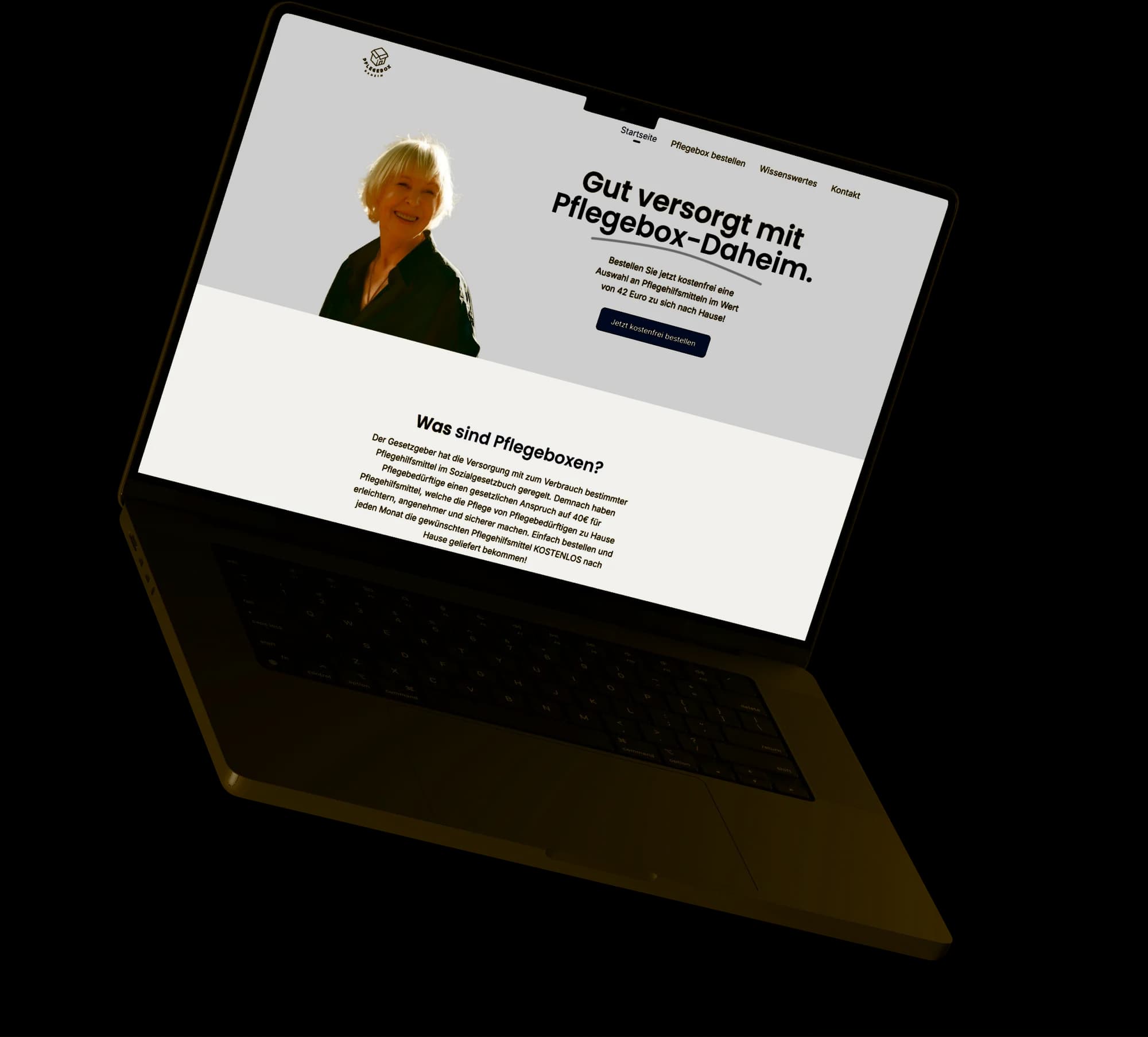
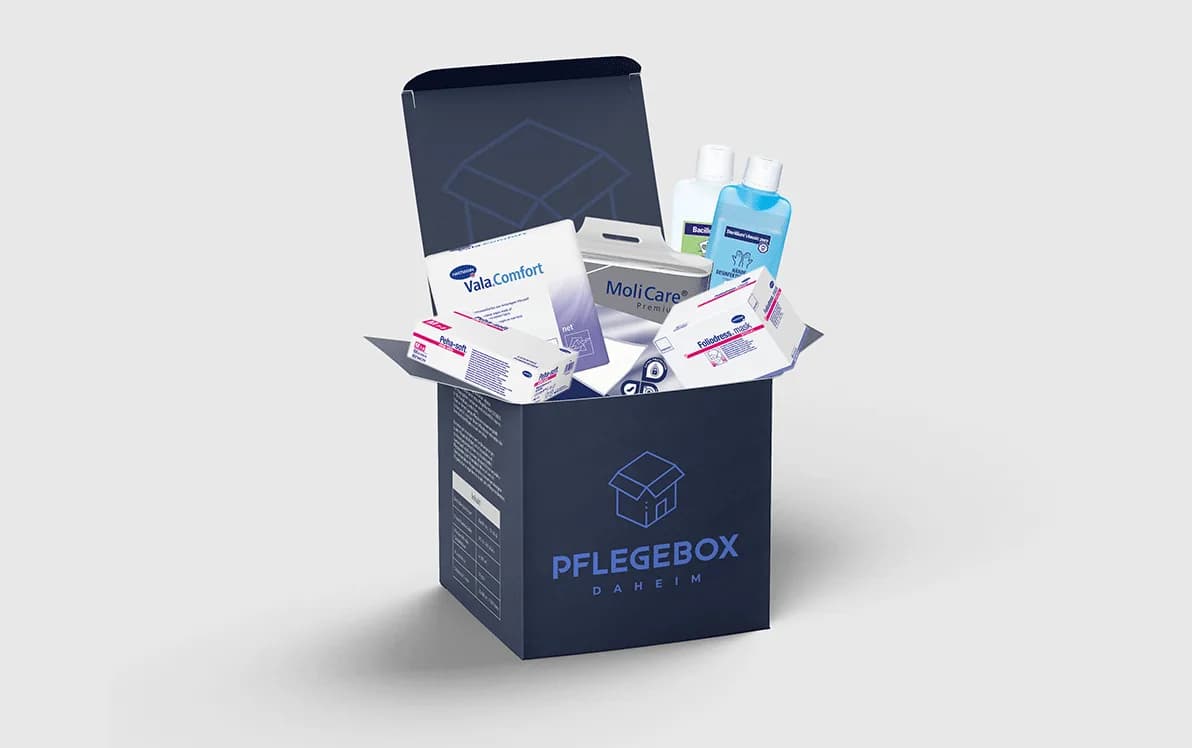
Pflegebox Daheim is a German home care service. People with a care grade (Pflegegrad 1–5) who are cared for at home receive a monthly box of care aids (Pflegehilfsmittel) such as disposable gloves, disinfectant, bed pads and masks. The box is covered by a monthly allowance for care aids paid by the care insurer (Pflegekasse), so it is free for them. We designed and built the React website so elderly users and their families can choose or customise a box, apply in four simple steps and trust that the paperwork with the insurer is handled for them.
- Project
- Pflegebox
- Industry
- Healthcare
- Platform
- Responsive Website (Desktop + Mobile)
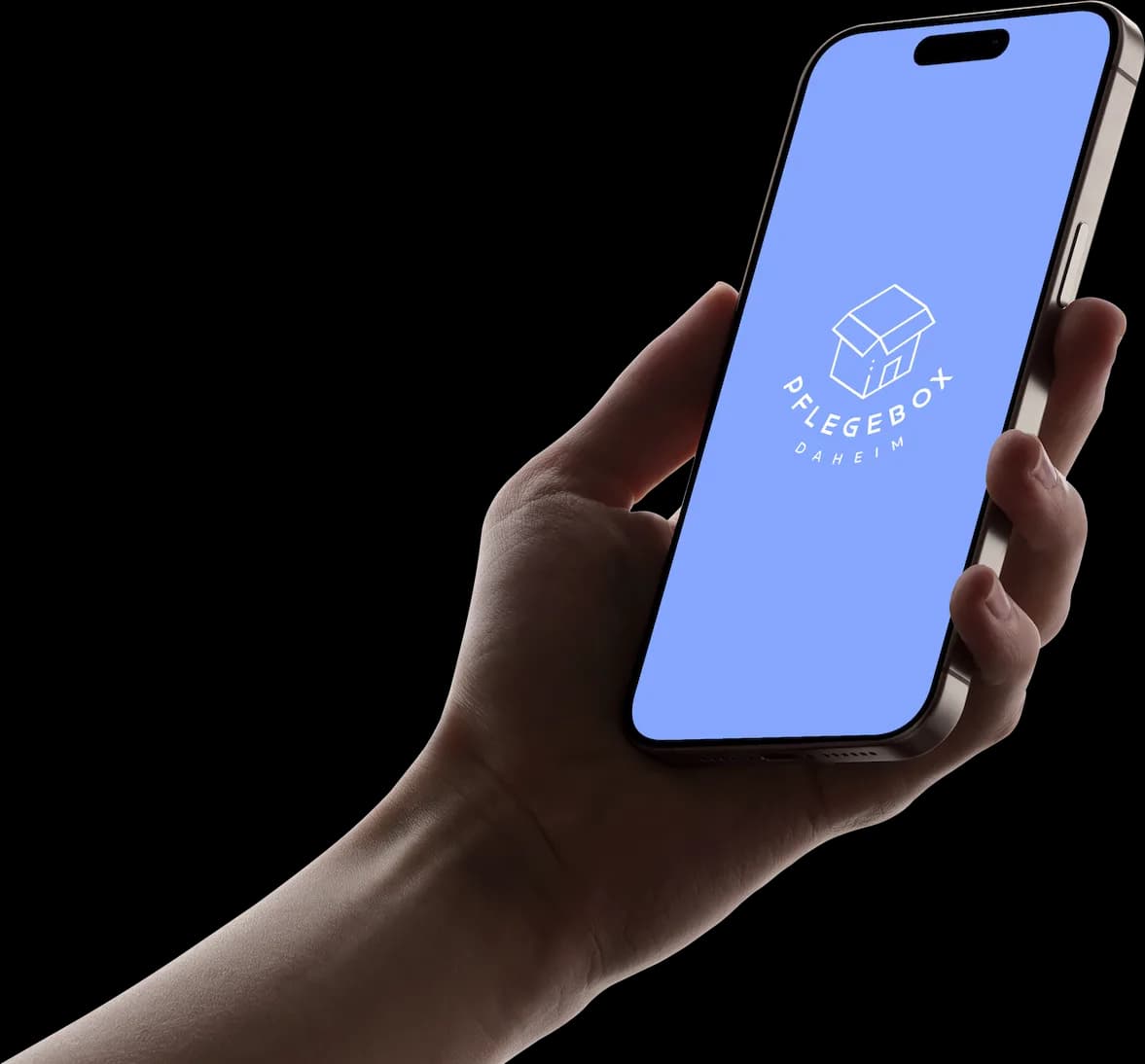
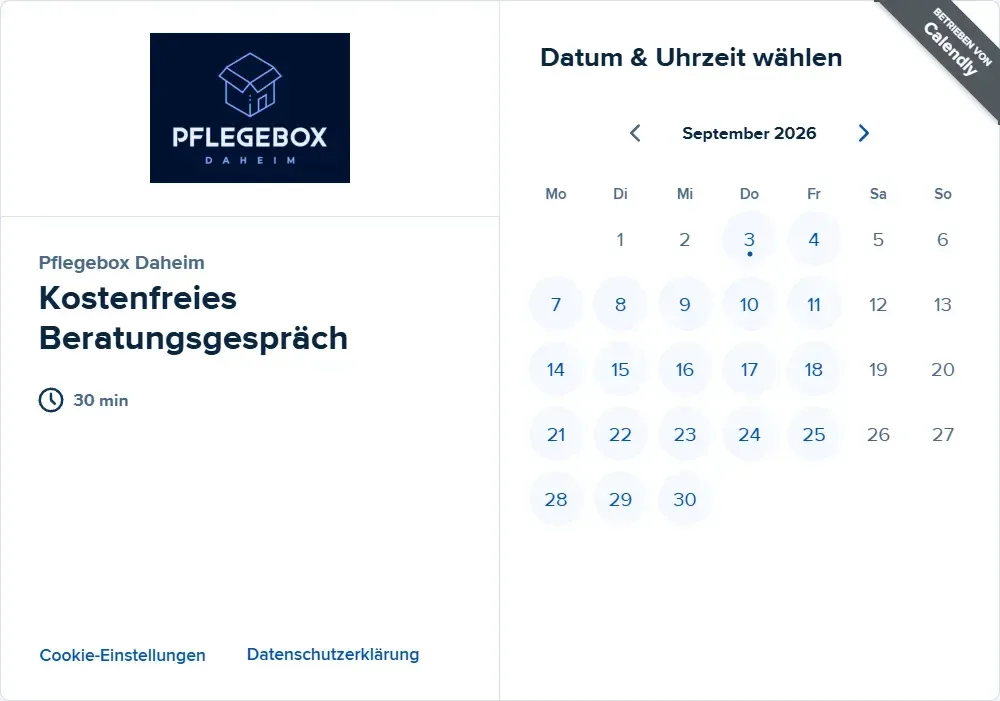
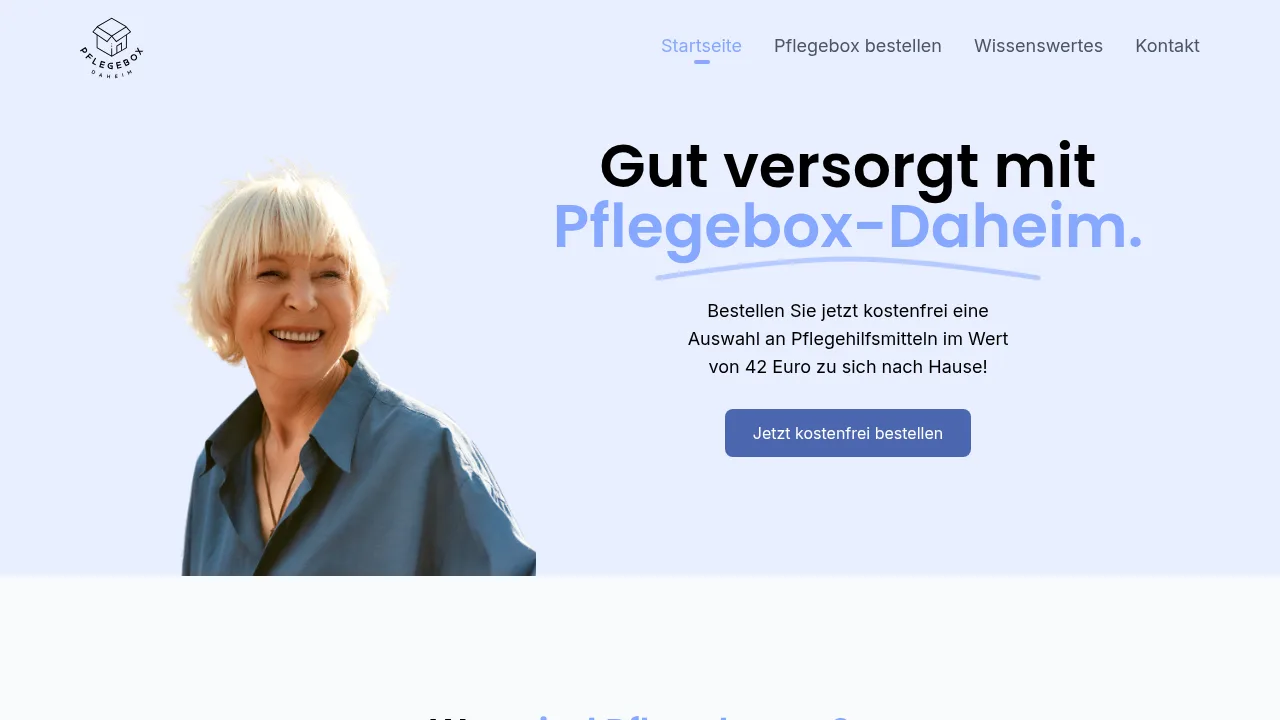
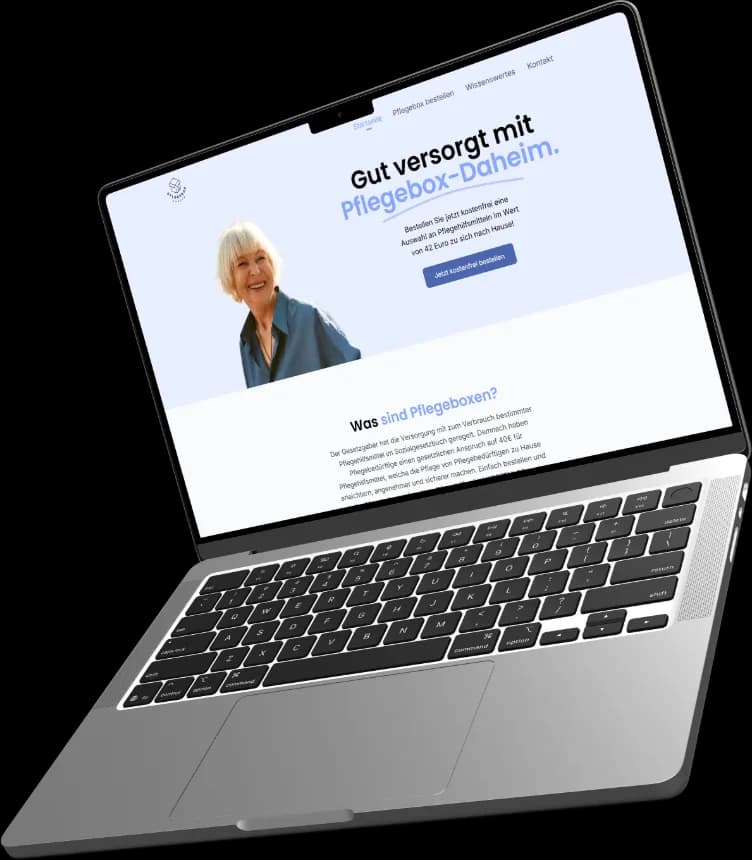
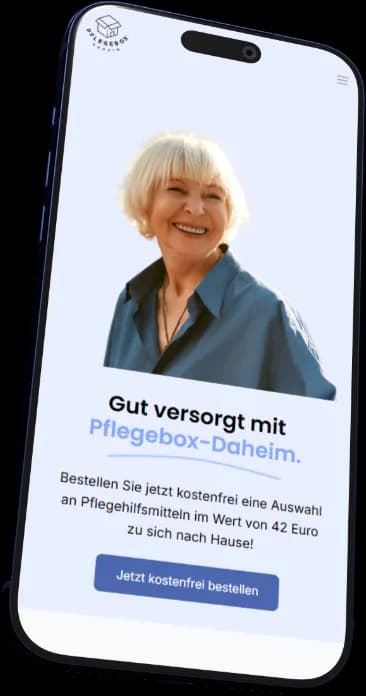
Pflegebox Daheim on phone, booking and desktop
The brief
Goal, problem and solution
The Goal
Build a calm, trustworthy website that helps families claim the care aids they are entitled to:
- Explain who qualifies: care grades 1–5 at home
- Show what a free Pflegebox contains
- Make choosing and customising a box easy
- Turn the insurer paperwork into 4 short steps
- Keep help and contact one tap away
Problem
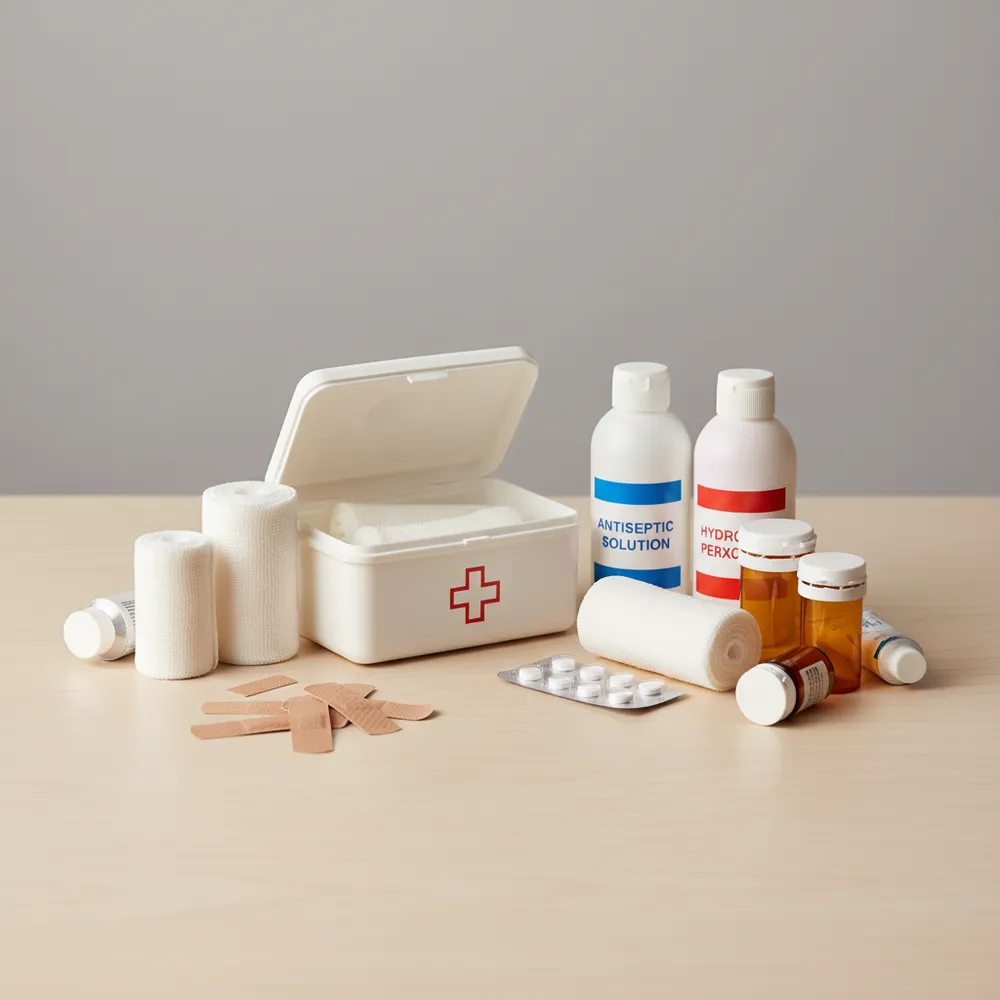
People with a care grade (Pflegegrad) who are cared for at home are entitled under § 40 SGB XI to monthly care aids (Pflegehilfsmittel) paid by their Pflegekasse. But the forms, the rules and the choice of products are confusing, especially for older people and family caregivers.
Solution
A calm, accessible website with ready-made boxes, a simple customiser and a 4-step request. Families enter the insured person’s, (optional) caregiver’s and insurance details once; Pflegebox Daheim handles the application with the Pflegekasse and ships a box every month, free of charge for the recipient.
UX approach
An accessible website for elderly users and family caregivers
We focused on simplicity and accessibility: a minimal interface with large typography, clear calls to action, a strong visual hierarchy and reassuring imagery of real people. Every screen answers one question, so older users and the relatives who help them always know what comes next.
Large, friendly type
Poppins headlines and roomy line spacing keep German care terms readable on any screen.
One clear call to action
“Jetzt kostenfrei bestellen” sits in Primary Blue #4B66AE with white text, a contrast above 5:1.
Four steps, one topic each
Insurance, caregiver, shipping, confirmation: a progress stepper shows where you are, and Back never loses input.
Ready-made boxes first
Prebuilt Pflegeboxen come before the customiser, so nobody starts from an empty product list.
Full Page View
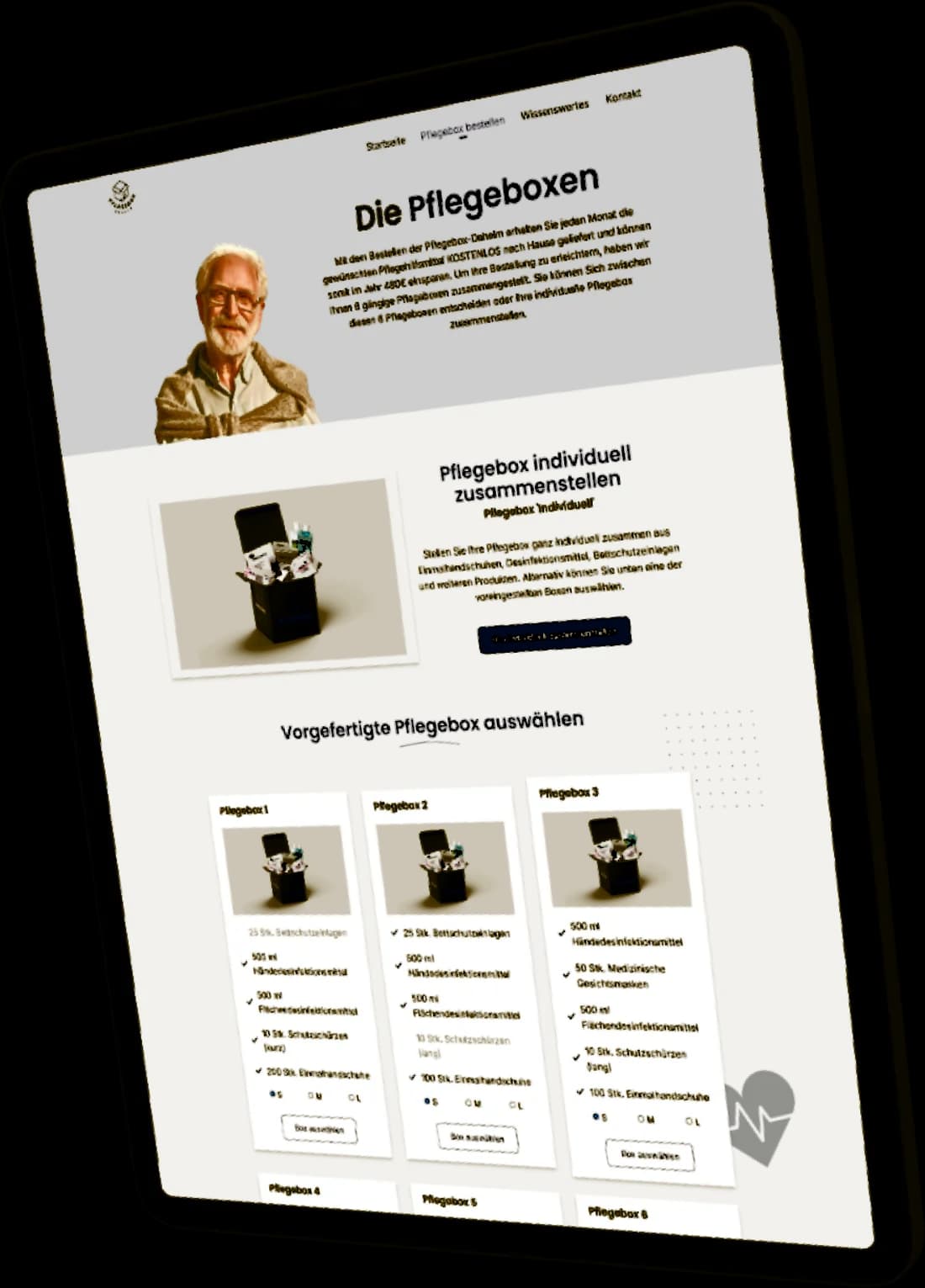
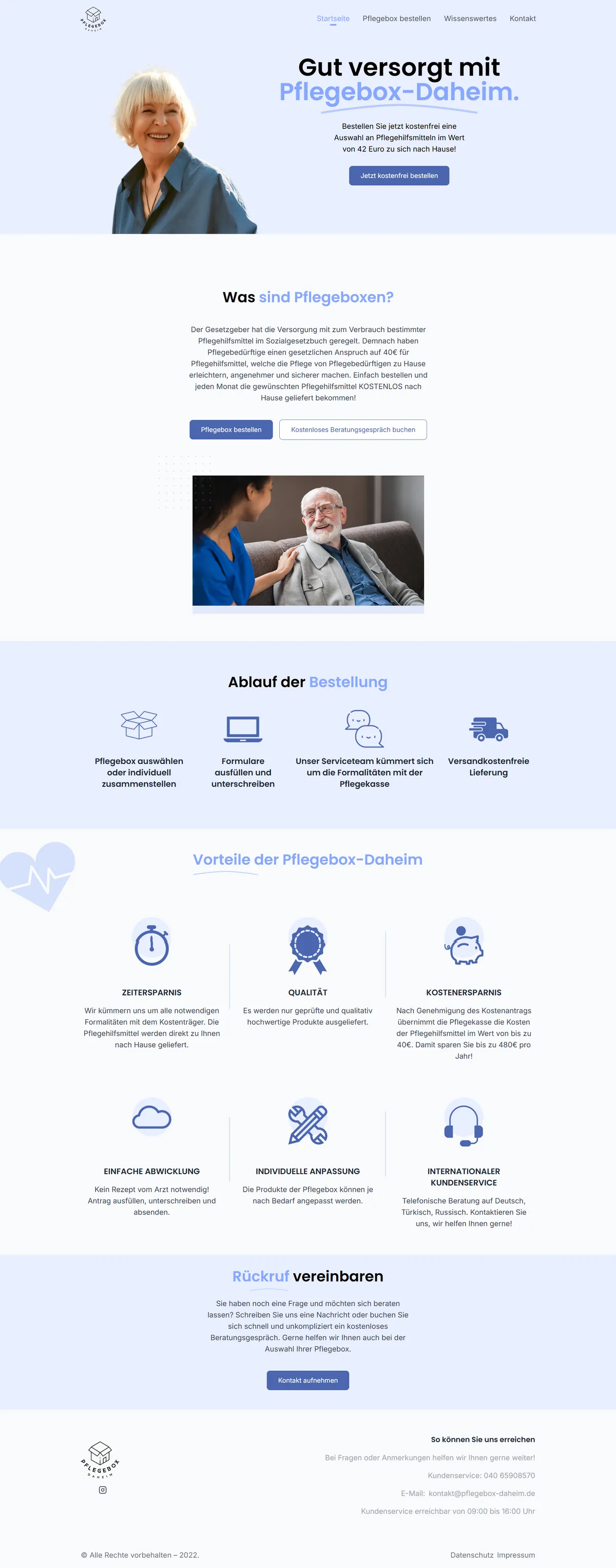
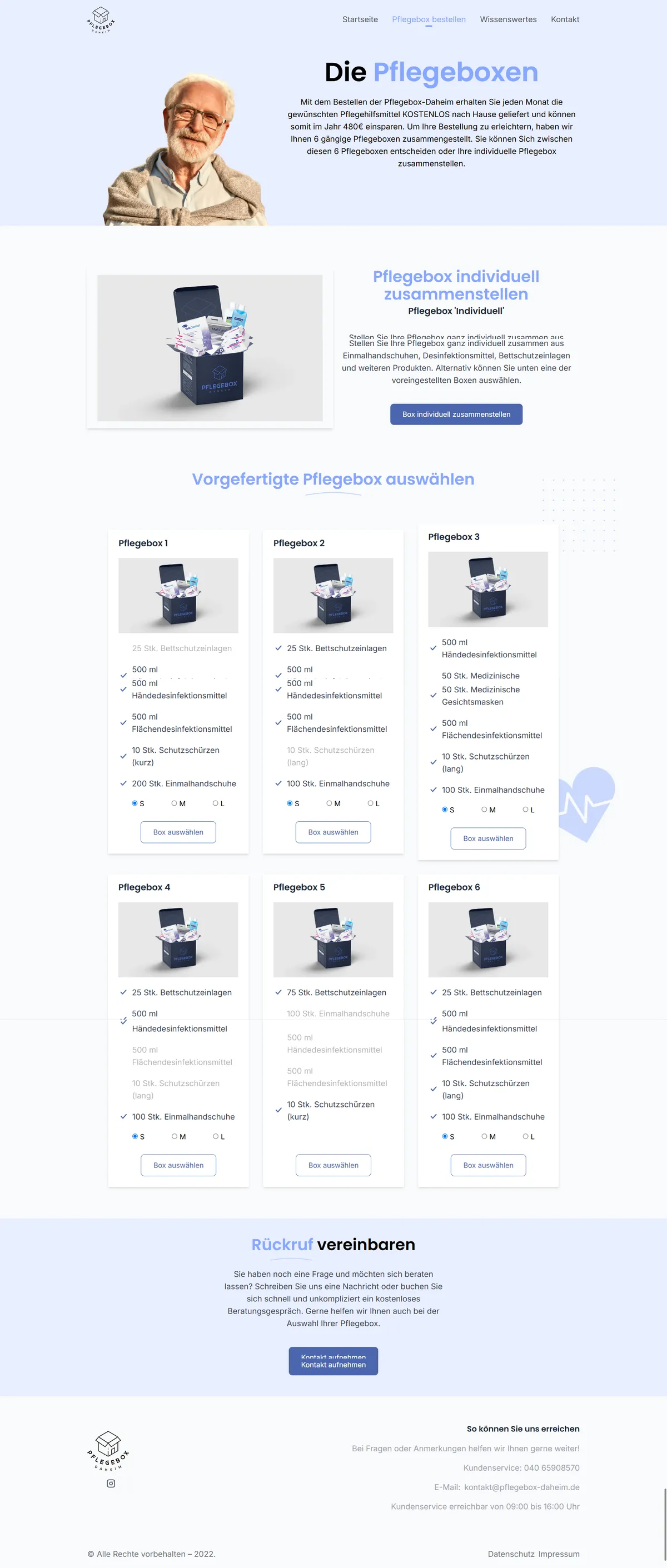
Two complete pages of the Pflegebox Daheim website, top to bottom: the German home page that explains the free monthly care box, and the Pflegeboxen page where families pick or build their box.
Key Features
Four features that turn a paperwork-heavy insurance benefit into something an older person or a family carer can finish in a few minutes.
Free monthly care box
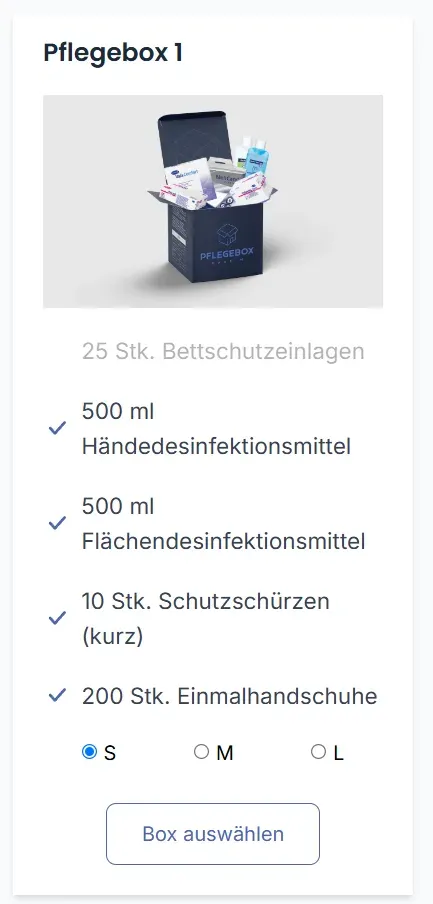
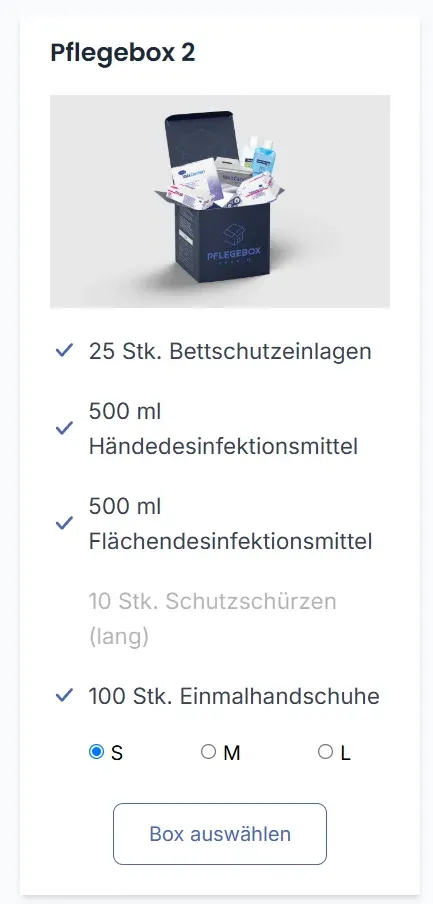
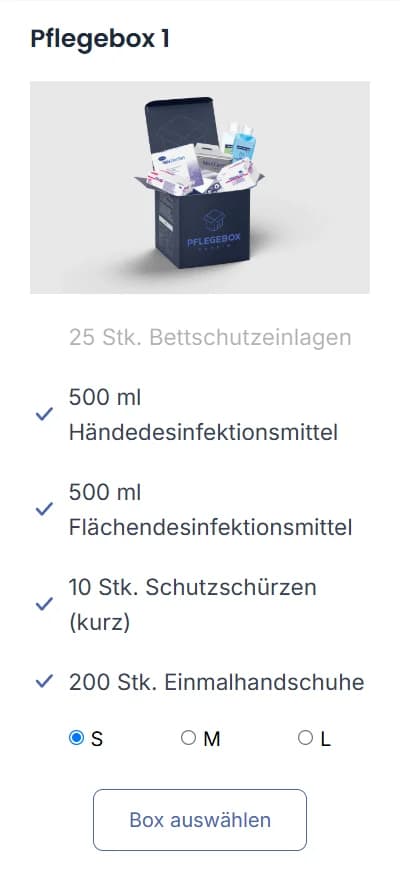
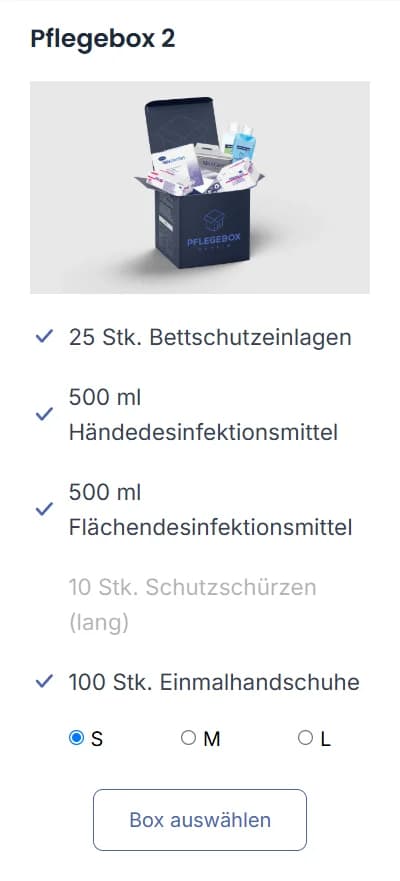
Choose a ready-made Pflegebox of gloves, disinfectant, bed pads and aprons. A monthly allowance for care aids paid by the care insurer (Pflegekasse) covers it, so it is free for anyone with a care grade (Pflegegrad) cared for at home.
Four-step request flow
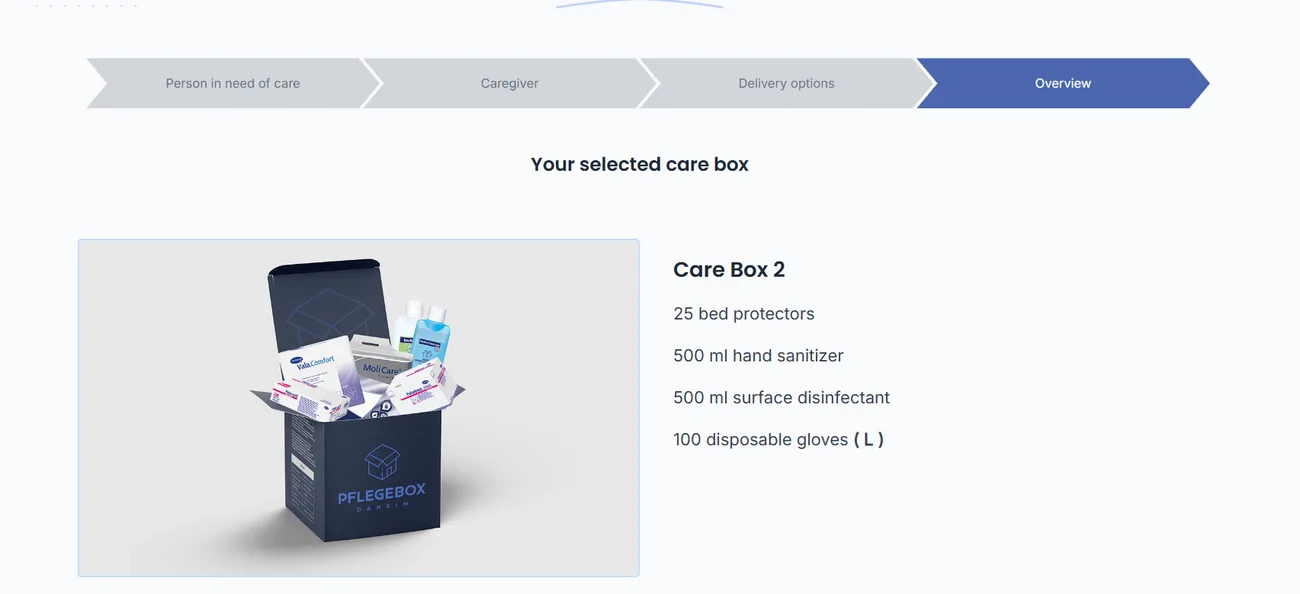
Insured person, caregiver, delivery and confirmation: four short steps, then Pflegebox Daheim files the application with the Pflegekasse.
Customise your box
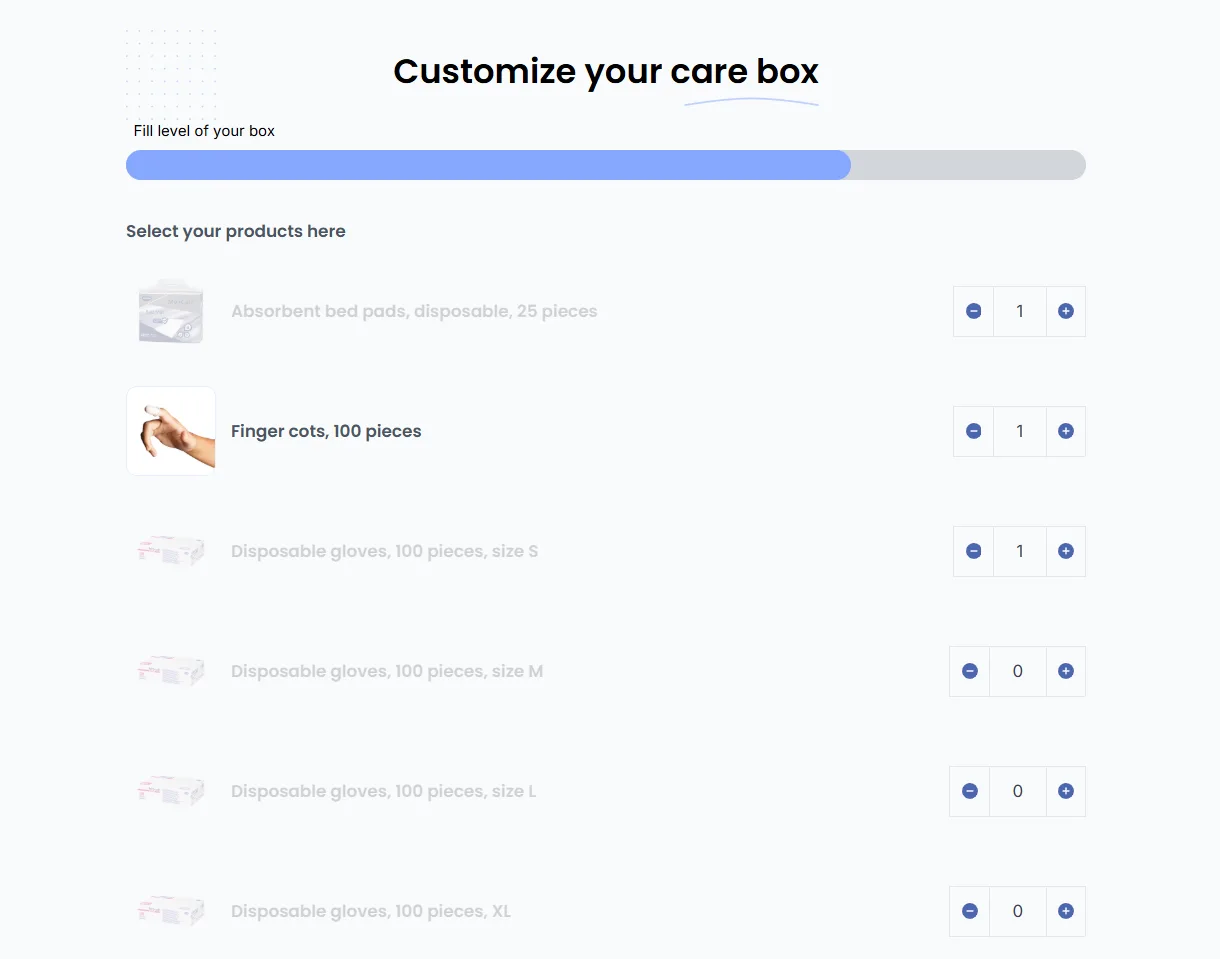
Prefer other supplies? Build your own box item by item while a progress bar shows how much of the monthly allowance is used.
Free advice & support
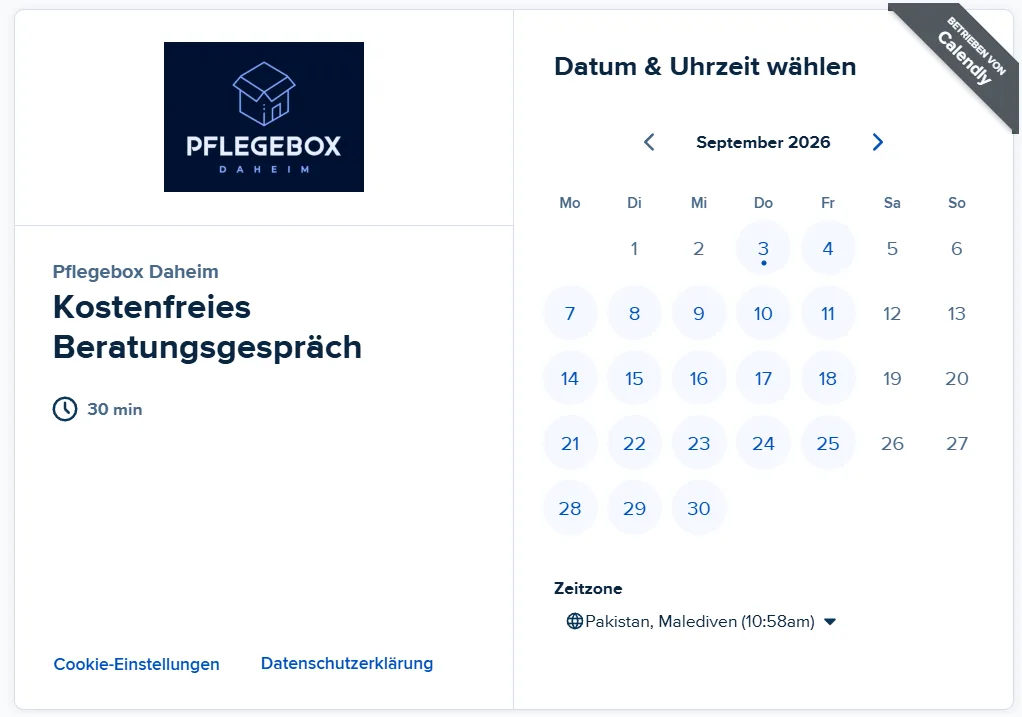
Not sure whether you qualify? Book a free 30-minute consultation in the built-in calendar, or call the team in German, Turkish or Russian.
The care box request
How the care box request works
Ordering a Pflegebox used to mean paper forms, a call to the insurer and a lot of waiting. We turned it into four calm steps that a relative can finish in a few minutes, on a phone or a laptop, with Pflegebox Daheim handling the application to the Pflegekasse in the background.
Step 1 · Box
Choose or customise the care box
Start from one of six ready-made boxes or build your own. A fill meter shows how much of the monthly allowance for care aids is used, and stops you going over it, so nobody has to add up prices.
Step 2 · Insured person
Insured person and long-term care insurance
The person receiving care enters their name, date of birth, address and insurance number, then picks their long-term care insurance (Pflegekasse) from a searchable list of around 140 German insurers, from AOK to BARMER and the company funds.
Step 3 · Caregiver
Add a caregiver or relative (optional)
Most orders are placed by a daughter, son or partner. An optional caregiver step lets them add their own contact details, so the service team can reach the person who actually handles the paperwork.
Step 4 · Delivery
Delivery address and confirmation
Choose where the monthly box goes: to the insured person, the caregiver or a home care service. A final review shows the chosen box and every detail before sending. Pflegebox Daheim then applies to the Pflegekasse and ships free of charge every month.
Built for elderly users and their families
One task per screen
Each step asks for one group of details, with a visible stepper and a back button that never loses what was typed.
Large, clear type
Big labels above every field, generous tap targets and high-contrast blue on white, readable without glasses on a phone.
Errors in plain German
Missing fields are flagged inline, right under the field, instead of a vague message at the top of the form.
No prescription, no payment
No card details, no account and no doctor's prescription. The service is free for the insured person.
Help in three languages
Phone advice in German, Turkish and Russian, plus a free consultation call that can be booked online.
Privacy first
A cookie banner with a real reject option and explicit privacy consent before any health-related data is sent.
Design System
A carefully crafted visual system that brings consistency, accessibility, and trust across every part of the healthcare experience.
Care at home should feel calm, not complicated. Every screen of Pflegebox Daheim speaks in one friendly, highly legible voice, so older people and the family members who care for them can enter their care grade (Pflegegrad), choose their monthly care aids and request the box through their Pflegekasse without second-guessing a single step.
Colour pairs were chosen for readability first: body text and buttons meet WCAG 2.2 AA, because many Pflegebox users read with ageing eyes.
Pflegebox and healthcare website FAQ
Questions we hear from care providers, pharmacies and health start-ups about Pflegebox websites and healthcare web development for Germany.
Ask us anythingWe split the form into short steps with one topic each, show a stepper so people always know how far they are, and keep everything typed in app state so Back never clears a field. Choices come before free text: Pflegebox Daheim starts from ready-made boxes and a searchable list of around 140 insurers instead of empty fields. Validation runs inline in plain German, and a final summary shows every detail before anything is sent.
Yes. An online order is usually the start of a back-office process, so we plan where each submission goes: a CRM, a shared inbox, a database or a partner API, often with a generated PDF or a status email for the customer. Which route fits depends on the systems your team already uses and on what health data may be stored where, so we map it with you and your data protection officer before we build.
Yes, under a maintenance plan: dependency and security updates, checks that forms and consent banners still work, content changes when product ranges, insurer lists or legal texts change, uptime monitoring and small new features. Healthcare sites need this more than most, because a broken order form means people miss care aids they are entitled to.
The complete website: brand and UI design, the home and information pages, six ready-made care boxes, a box customiser with a live budget meter, and a four-step order form for the insured person, caregiver and delivery details, plus contact, callback and consultation booking.
We kept one task per screen with a visible stepper, used large labels and tap targets, high-contrast colours and plain German error messages right under each field. Nothing requires an account, a password or payment details, and the back button never loses entered data.
A React single-page app with React Router, Redux Toolkit for the order state, Formik and Yup for form validation, and Tailwind CSS with Headless UI for accessible components. Consultation calls are booked through an embedded Calendly widget, with privacy-friendly Matomo analytics.
Yes. We design for the GDPR (DSGVO) from the start: a cookie banner with a real reject option, explicit consent before health-related data is sent, data minimisation in forms, privacy-friendly analytics, and hosting and processors chosen with your data protection officer.
Yes. Pflegebox Daheim is fully in German, including form labels, validation messages and insurer names. We work with your German copy or a native copywriter, and can add further languages when your service supports them.
The website was designed and built in 2022, from the first landing page in April to the full order flow later that year.
Yes. We design and build websites, order flows and web apps for care services, pharmacies, medical suppliers and health start-ups in Germany, the UK and beyond. Tell us about your project and we will reply with a plan and an estimate.
Building for healthcare in Germany?
Let’s do a project together!
From care-aid shops to insurer-ready request flows, we design and build accessible React websites for German healthcare.